Home Plumbing Health Assessment
Plumbing Solutions of Idaho expert tips


Most homeowners are proactive about maintaining their property. They schedule HVAC tune-ups, service their vehicles. What’s more, they inspect their roofs after storms. And they take care of routine maintenance tasks throughout the year. However, plumbing systems often receive attention only after something goes wrong.
The challenge is that many of the most expensive plumbing problems develop quietly behind walls, beneath foundations, or underground. Water heaters age internally, sewer lines deteriorate over time. Hard water slowly damages appliances, and hidden leaks can continue wasting water for months before they become obvious. These issues tend to develop gradually. Homeowners frequently don’t realize there is a problem until they are faced with a costly repair.
For that reason, more Idaho homeowners are taking a proactive approach by scheduling a Home Plumbing Health Assessment. Rather than waiting for a flooded garage, a sewer backup, or an unexpected plumbing emergency. They are choosing to learn more about the overall condition of their plumbing system before problems escalate. At Plumbing Solutions of Idaho, our FREE Home Plumbing Health Assessment helps homeowners. We identify potential concerns, prioritize maintenance needs. We also help you gain peace of mind about one of the most important systems in your home.
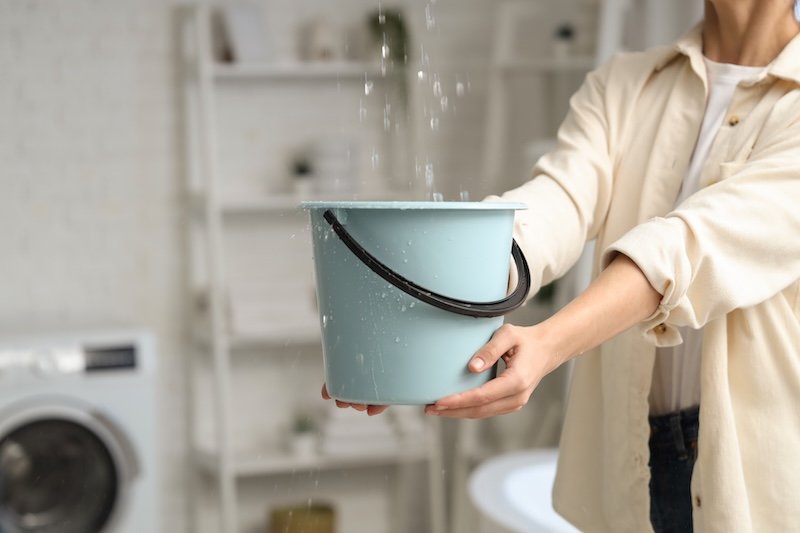
Why Small Plumbing Problems Often Become Big Expenses
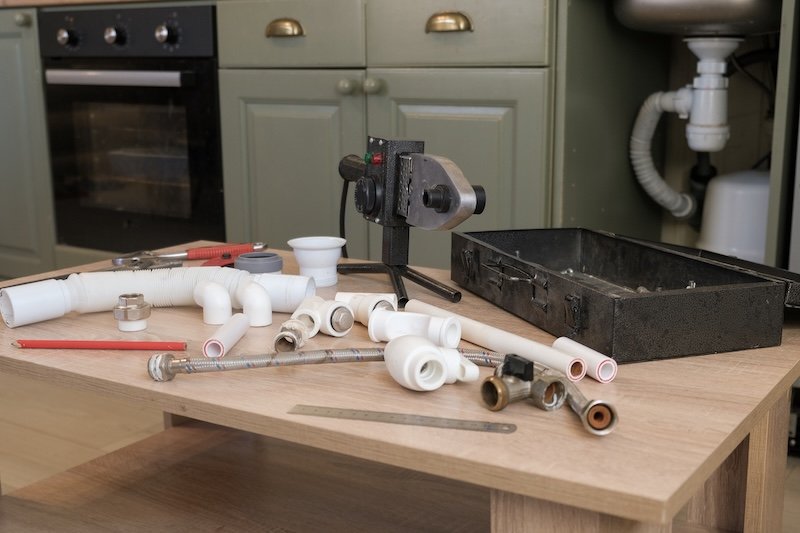
Many people assume that major plumbing failures happen without warning. In reality, most plumbing systems provide clues that something is changing long before a complete breakdown occurs. A water heater may begin producing less hot water than it once did. Water pressure may slowly decrease throughout the home. Drains may begin moving more slowly, or utility bills may start creeping higher without any obvious explanation. These changes often occur gradually. Homeowners frequently adapt to them instead of recognizing them as signs of a developing issue.
Unfortunately, waiting until a plumbing emergency occurs often makes repairs significantly more expensive. Once water escapes into walls, flooring, cabinets, or crawl spaces, the costs can extend well beyond the plumbing repair itself. In some cases, homeowners may face restoration work, mold remediation, or replacement of damaged materials. Even when major damage is avoided, emergency repairs are rarely convenient. By identifying concerns early, homeowners can often address issues on their own schedule. They do this rather than being forced to react during a crisis.
What Happens During a Home Plumbing Health Assessment?

The goal of a Home Plumbing Health Assessment is not to sell homeowners services they do not need. Instead, it is designed to provide a clearer picture of the health of the home’s plumbing system. We do this so that informed decisions can be made about maintenance, repairs, and future upgrades.
During an assessment, our team may evaluate water heater condition. We also investigate plumbing fixtures, water pressure, visible plumbing connections, drainage performance. Further, we look for signs of hard water damage, leak indicators, water quality concerns, and other components of the system. Every home is different, which means every assessment is slightly different as well. However, the objective remains the same: identify potential concerns before they become expensive surprises.
Many homeowners are surprised by how much information can be gathered during a thorough evaluation. What appears to be a minor inconvenience today may reveal an opportunity to prevent a much larger repair tomorrow. Likewise, homeowners often discover that systems they were worried about are functioning properly, giving them confidence and peace of mind.
The Four Most Common Problems Found During Plumbing Assessments

One of the most common discoveries during a plumbing assessment involves aging water heaters. Many homeowners are unaware that traditional water heaters often begin approaching replacement age around the ten-year mark. While some units continue operating well beyond that timeframe, age increases the risk of corrosion, sediment buildup, reduced efficiency, and unexpected leaks. A water heater rarely fails at a convenient time, which is why understanding its condition before problems occur can help homeowners plan ahead rather than deal with an emergency. In many cases, simple warning signs such as inconsistent hot water, unusual sounds, rising energy costs, or visible corrosion indicate that a closer inspection may be worthwhile.
Drainage issues are another concern that frequently surface during plumbing evaluations. While a single slow drain may not seem alarming, multiple drains throughout the home that are draining slowly can indicate a larger issue developing within the sewer line. Because sewer systems are hidden underground, homeowners often have little visibility into their condition until a backup occurs. Tree roots, pipe deterioration, shifting soil, and accumulated debris can all contribute to sewer line problems. When appropriate, sewer camera inspections allow plumbers to see exactly what is happening inside the pipe so that homeowners can make informed decisions before a small issue turns into a major excavation project.
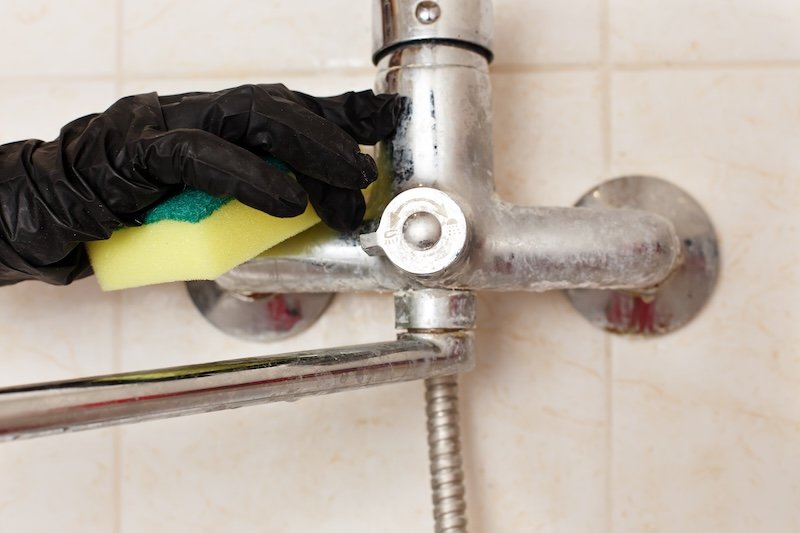
Hard Water Challenges
Hard water remains one of the most common plumbing challenges throughout the Treasure Valley, which makes it another frequent topic during plumbing assessments. Although hard water is common in our area, many homeowners underestimate the long-term impact it can have on plumbing systems and household appliances. Mineral deposits gradually accumulate inside water heaters, dishwashers, washing machines, fixtures, and pipes. Over time, this buildup can reduce efficiency, shorten equipment lifespan, and increase utility costs. Many homeowners first notice white residue on fixtures, spotty dishes, dry skin, or declining appliance performance without realizing that hard water may be the underlying cause. Evaluating water quality can help determine whether a water softener or filtration system may provide long-term benefits.
Hidden leaks round out the list of issues we frequently uncover during assessments. These leaks can occur behind walls, beneath slabs, underground, or in areas homeowners rarely inspect. Because they are often out of sight, the first sign may be a higher-than-normal water bill, unexplained moisture, reduced water pressure, or damp areas in the yard. Left undetected, even relatively small leaks can waste thousands of gallons of water and create costly property damage over time. Identifying these issues early often helps homeowners avoid far more significant repairs in the future.
The Value of Knowing What Is Happening Behind the Scenes
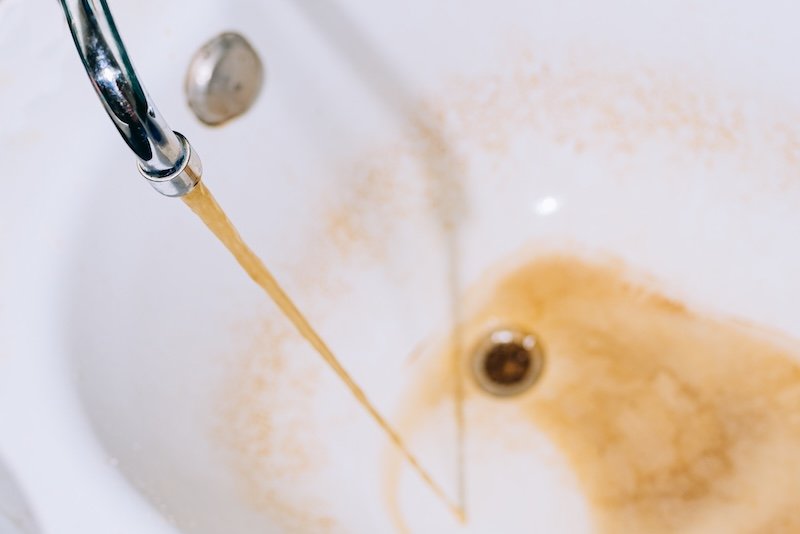
One of the biggest benefits of a Home Plumbing Health Assessment is the peace of mind it provides. Homeowners frequently call a plumber because they are worried about something they have noticed, whether it is a strange sound, inconsistent water pressure, an aging water heater, or recurring drainage problems. Sometimes those concerns reveal legitimate issues that should be addressed. Other times, the assessment confirms that everything is functioning properly.
Either outcome is valuable. When problems are identified early, homeowners gain the opportunity to plan repairs before they become emergencies. When no significant concerns are found, homeowners gain confidence knowing their plumbing system is performing as it should. In both cases, the assessment provides information that helps homeowners make smarter decisions about maintaining and protecting their property.
Questions Homeowners Frequently Ask

How often should a home’s plumbing system be evaluated?
Many homeowners benefit from a professional plumbing assessment every one to two years, particularly if the home is older or located in an area with significant hard water.
Is a plumbing assessment only useful for older homes?
No. Even newer homes can experience water pressure issues, installation defects, hidden leaks, drainage concerns, or water quality problems that are worth identifying early.
Can a plumbing assessment help reduce future repair costs?
In many cases, yes. Identifying developing problems before they become emergencies often allows homeowners to address smaller issues before they turn into much larger and more expensive repairs.
About Plumbing Solutions of Idaho in Meridian, Idaho
Plumbing Solutions of Idaho proudly serves homeowners throughout Meridian, Boise, Eagle, Nampa, Kuna, Star, Middleton, and the surrounding Treasure Valley. As Idaho’s Best Plumber for 2025, our experienced team provides water heater services, drain cleaning, sewer line diagnostics, water softener installation, repiping, leak detection, fixture replacement, and complete residential plumbing solutions. Through our FREE Home Plumbing Health Assessment, we help homeowners identify potential concerns before they become costly emergencies.
For the only plumber you need to know, call Plumbing Solutions of Idaho.
Serving Boise, Meridian, and the Surrounding Area
Our Service Area
 All Service Areas