

What Happens After We Dig? Understanding Trenching and Backfilling for Plumbing Repairs
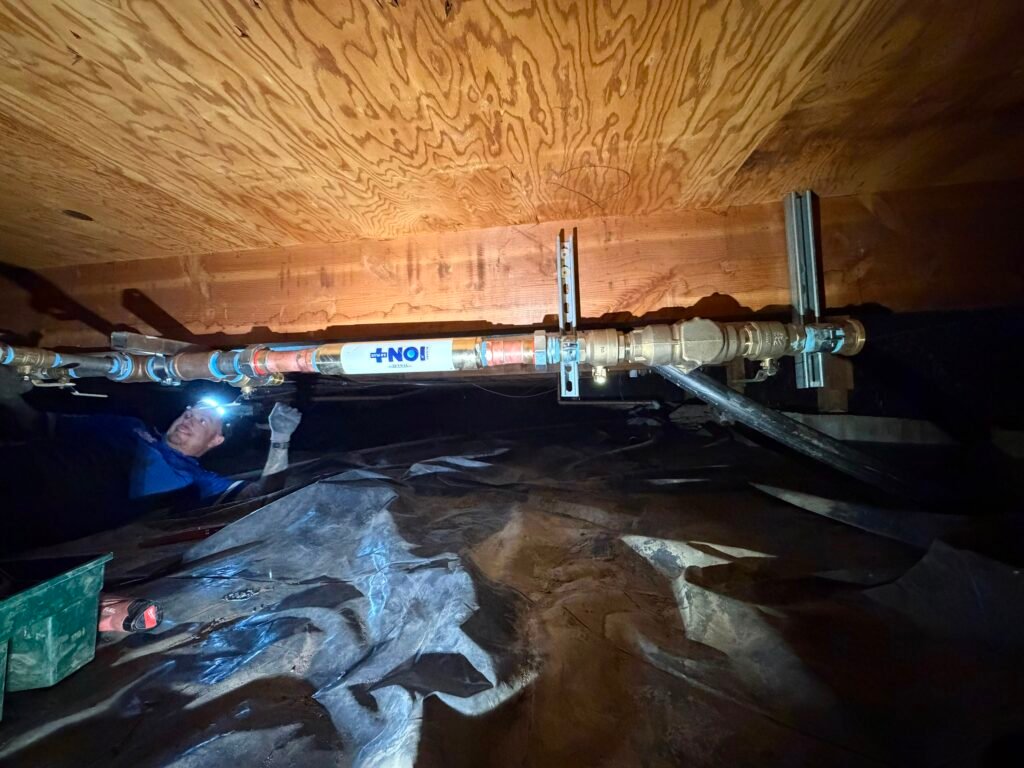
Watching a plumber cut trenches through your yard can be alarming. However, when a damaged sewer line, water service line, or other buried pipe needs repair or replacement, excavation sometimes provides the most practical way to reach it. Digging represents only part of the process. What happens after plumbers install the new pipe matters, too.
At Plumbing Solutions of Idaho in Meridian, we handle trenching and backfilling as part of the overall underground repair process. Properly supporting the pipe, replacing excavated material, and preparing the ground for restoration all contribute to a successful repair.
Why Plumbing Repairs Sometimes Require Trenches
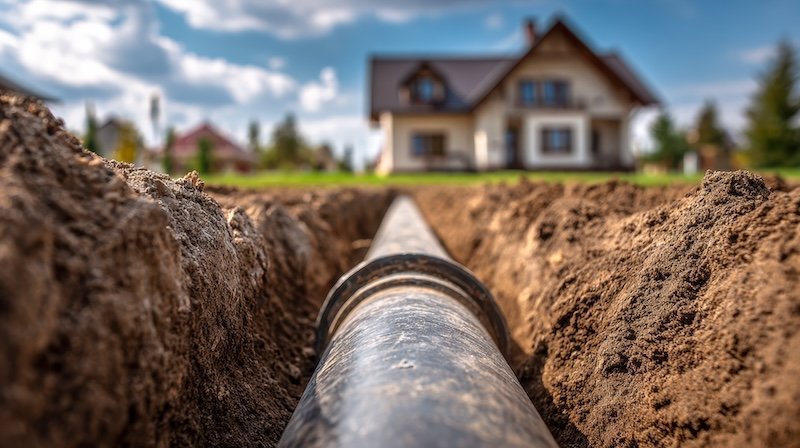
Buried water and sewer lines can develop leaks, breaks, collapses, root intrusion, and other problems that require direct access. Before excavation begins, technicians typically determine where the problem exists so they can focus digging on the necessary area.
Depending on the issue, camera inspections, leak detection, and other diagnostic methods can help determine the location and extent of the damage. Projects requiring excavation may include:
- Main water line repairs or replacements
- Sewer line repairs or replacements
- Collapsed or severely damaged pipe
- Underground leaks requiring direct access
- New underground plumbing installations
Careful planning gives plumbers enough room to perform the work safely and correctly without unnecessarily disturbing more property than the repair requires.
What Backfilling a Plumbing Trench Means
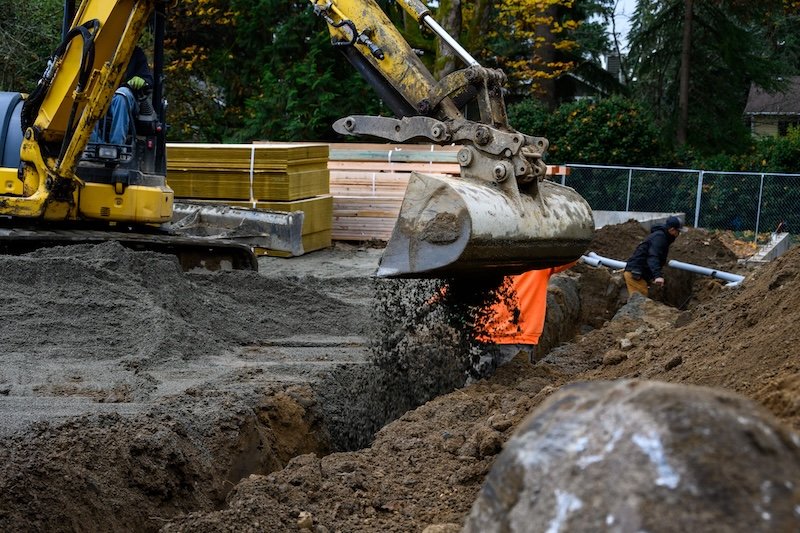
Once technicians complete the underground repair, we cannot simply push the excavated dirt into the trench and consider the job finished. The new or repaired pipe needs appropriate support and protection from the surrounding material.
Depending on the project, soil conditions, pipe material, and applicable requirements, crews may place suitable bedding or backfill around the plumbing before replacing the remaining excavated material.
This process helps support the pipe while also preparing the excavated area for eventual surface restoration.
Proper Compaction Helps Reduce Settling
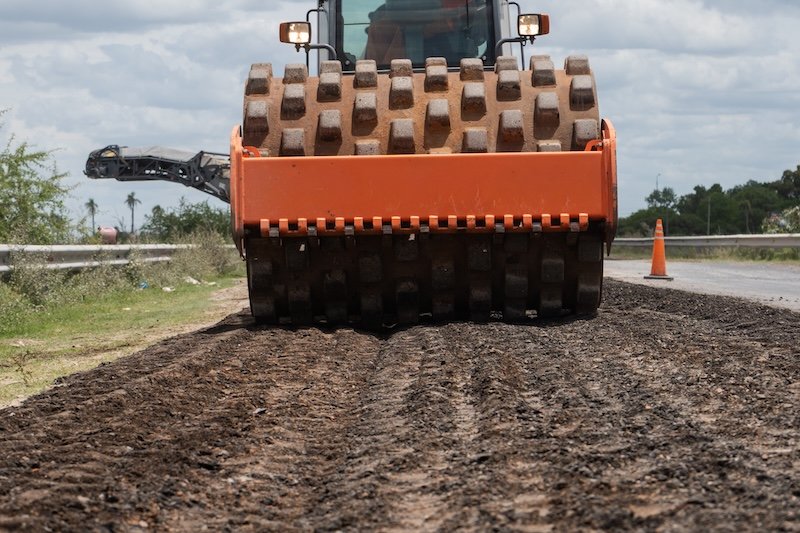
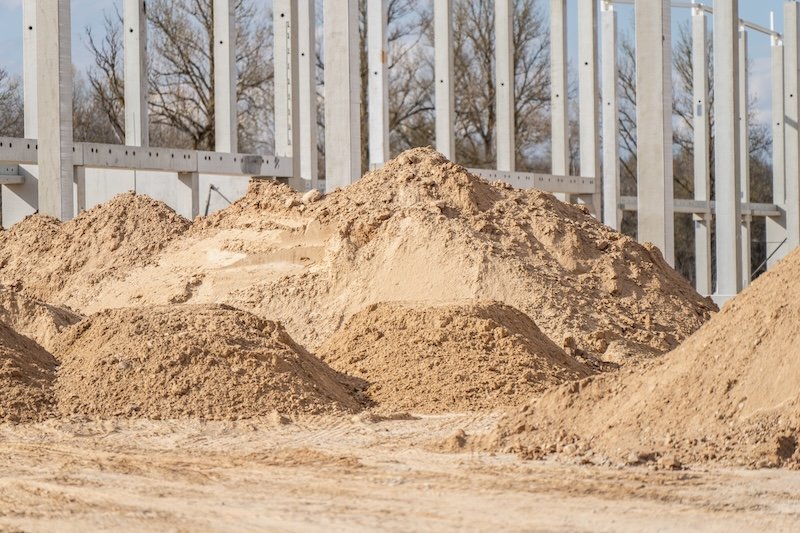
Have you ever watched heavy equipment remove soil and wondered how such a large pile of dirt came from a relatively narrow trench? Digging loosens compacted soil, allowing air between the particles and increasing its volume. Dumping all that loose dirt directly back into the trench can allow it to compress gradually afterward. As a result, the surface may sink and leave a noticeable depression.
Appropriate backfilling and compaction help create greater stability. Although some natural settling can still occur, properly replacing the material reduces the likelihood of excessive settlement later.
Some Ground Movement Can Still Occur
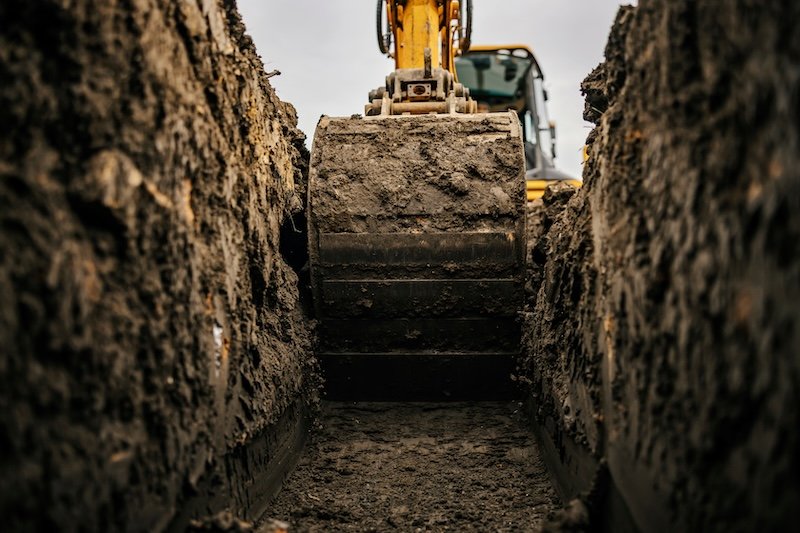
Even carefully backfilled soil may change as it adjusts after excavation. Moisture, irrigation, weather, soil composition, and normal ground movement can influence how quickly the area settles.
Conditions also vary throughout Meridian, Boise, and the rest of the Treasure Valley. Newer subdivisions may contain different fill materials than older neighborhoods, while drainage and soil characteristics can vary from one property to another.
Minor settling does not necessarily indicate a plumbing problem. However, significant or continuing depressions along the excavation area deserve attention. In that situation, homeowners should contact the contractor who performed the work and ask for an evaluation.
Where Does the Extra Dirt Go When Digging Trenches?
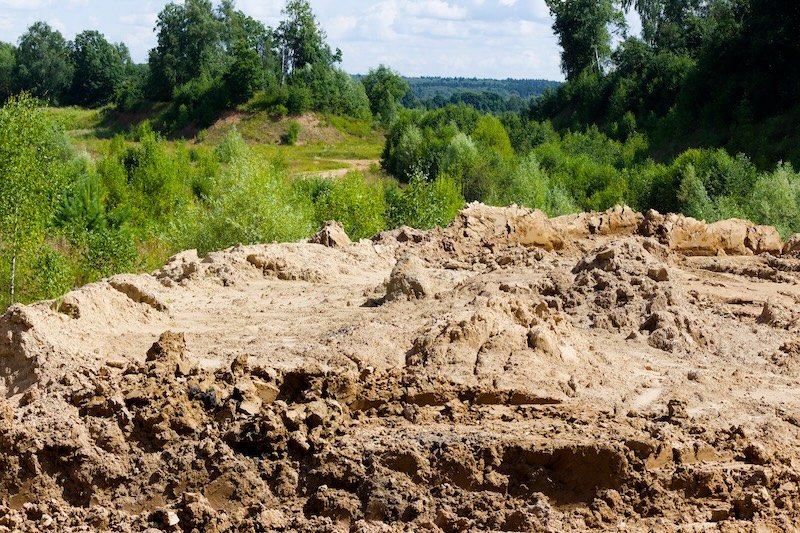
A pile of soil may remain after crews refill the trench, which sometimes makes homeowners wonder whether something went wrong. Usually, there is a straightforward explanation
Excavated soil takes up more space after digging because it has lost its original density. In addition, not everything removed from the trench should necessarily go back into it. Rocks, construction debris, or unsuitable material may require removal. A project may also call for different material immediately around the repaired pipe.
The objective is not to force every shovelful of excavated dirt back underground. Instead, crews need to provide appropriate support and protection for the plumbing.
Lawn and Landscaping May Need Time
Underground repairs can temporarily disrupt grass, planting areas, or other landscaping when pipes run beneath them. Homeowners should understand what restoration the plumbing project includes before excavation begins.
Plumbing crews primarily need to access the buried line safely, complete the repair, and protect the underground system afterward. Depending on the project, final landscaping may require additional work after the soil has had time to settle.
Discussing those expectations beforehand helps homeowners understand how the property may look immediately after the plumbing repair and what additional restoration may follow.
Safe Trenches Requires Careful Planning
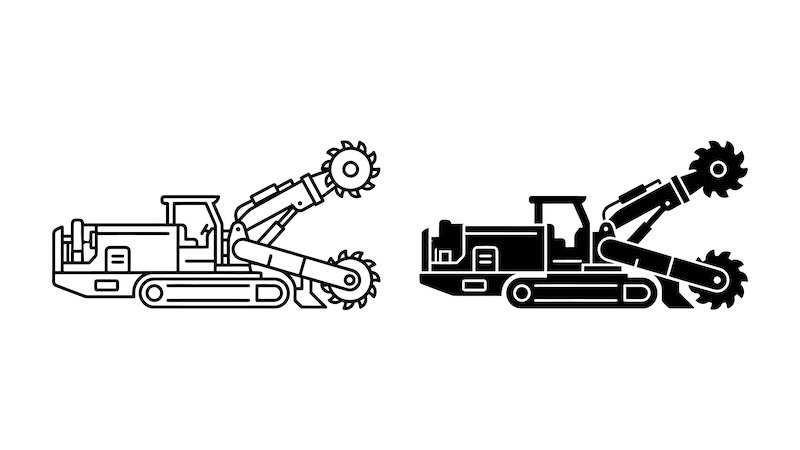
Excavation involves much more than digging until someone finds the damaged pipe. Crews must consider nearby utilities, depth, soil conditions, access, pipe support, slope, connections, and other project requirements.
Before and during trenching, professionals may need to account for:
- Existing underground utilities
- Location and depth of damaged plumbing
- Soil and ground conditions
- Safe access to the repair
- Support around the new pipe
- Proper slope and connections
- Applicable permits and inspections
Trenches can also present serious safety hazards because soil can collapse unexpectedly. Proper excavation practices therefore protect both the plumbing system and the people performing the repair.
Backfilling Helps Protect the New Plumbing
Homeowners naturally focus on the new water or sewer line because that is the component they needed repaired. However, even high-quality pipe depends on proper installation and support.
Unsuitable bedding or backfill can place unnecessary stress on buried plumbing, while poor compaction can contribute to excessive surface settlement. A professional underground repair should therefore address the entire project, from diagnosing the original problem through excavation, installation, backfilling, and cleanup.
Before work begins, homeowners can ask what to expect after the crew installs the new line, including how technicians will support the pipe, refill the trench, and address the work area afterward.
Underground Plumbing Repairs From Start to Finish
Although a trench temporarily disrupts your property, it provides access to plumbing infrastructure your home or business relies on every day. Once technicians complete the repair, careful backfilling helps protect that investment and prepares the area for restoration.
At Plumbing Solutions of Idaho, our experienced plumbers handle residential and commercial plumbing projects throughout Meridian, Boise, and the rest of the Treasure Valley, including repairs requiring trenching and excavation. We focus on completing the entire repair correctly rather than simply installing a new pipe and covering it with dirt.
About Plumbing Solutions of Idaho in Meridian, Idaho
Plumbing Solutions of Idaho is your trusted local plumber in Meridian, Idaho, offering expert plumbing services to the Treasure Valley. Whether you need help fixing toilets, repairing leaks, or handling complex plumbing issues, our team of experienced plumbers is here to provide fast, reliable, and affordable solutions. We specialize in residential and commercial plumbing services, ensuring that your plumbing systems are functioning at their best. As a top choice for plumbing services in Boise and the surrounding areas, Plumbing Solutions of Idaho is committed to delivering exceptional service with a focus on customer satisfaction. Contact us today for all your plumbing needs in Meridian, Boise, and beyond. For the only plumber you need to know, call Plumbing Solutions of Idaho.
Serving Boise, Meridian, and the Surrounding Area
Our Service Area
 All Service Areas