

Why Idaho Homes Develop Leaks in Late Winter
Most Idaho homeowners think plumbing problems peak during the coldest days of winter. Deep freezes get the attention, while burst-pipe warnings dominate conversations in December. Yet many plumbing leaks don’t appear during the initial cold snap. They show up later—often between January and March—when winter starts to loosen its grip.
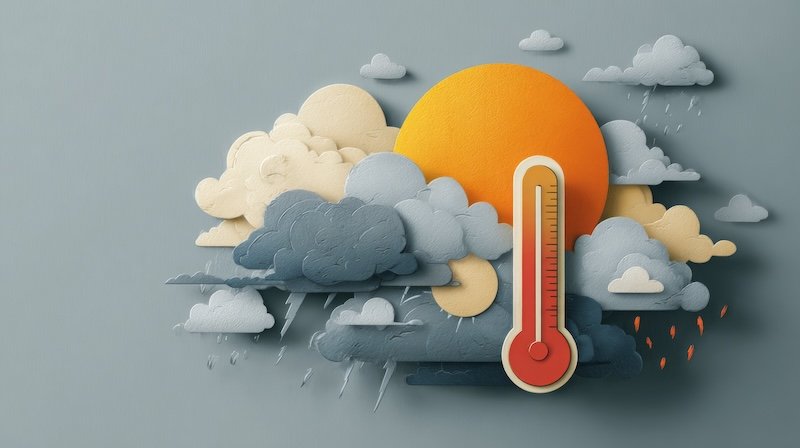
That delay confuses homeowners. Pipes seemed fine during the holidays. Water pressure stayed normal. Nothing leaked. Then suddenly, stains appear, cabinets feel damp, or water bills jump. The culprit often isn’t a single freeze. It’s the freeze-thaw cycle.
Why Late Winter Causes So Many Plumbing Leaks
Idaho winters don’t stay consistently cold. In Meridian and across the Treasure Valley, temperatures swing dramatically. Nights drop below freezing, then afternoons warm enough to thaw pipes. That constant expansion and contraction places stress on plumbing systems day after day.
Unlike a single hard freeze, freeze-thaw cycles weaken pipes gradually. The damage builds quietly until a joint, fitting, or section of pipe finally gives way.
The Science Behind Freeze-Thaw Damage
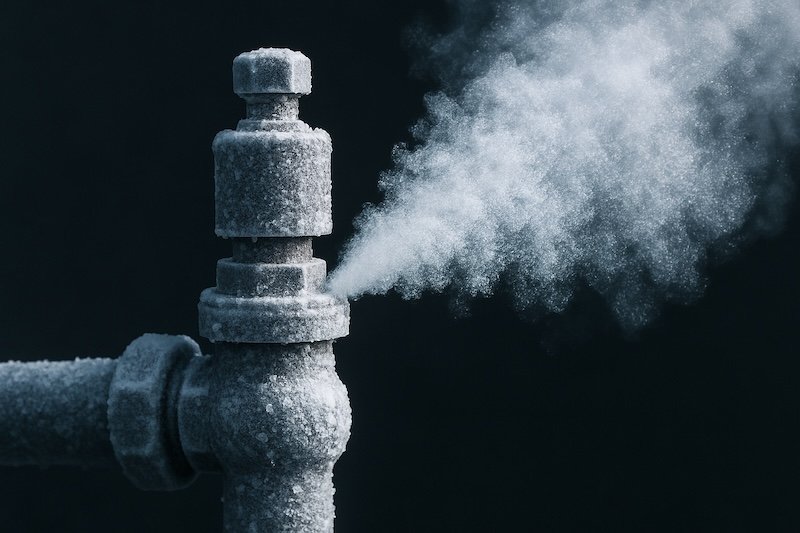
Water expands when it freezes. Inside a pipe, that expansion pushes outward against pipe walls. When temperatures rise and the ice melts, pressure releases—but the pipe doesn’t always return to its original shape.
Each freeze-thaw cycle slightly alters the pipe:
- Microscopic cracks widen
- Joints loosen
- Soldered or glued connections weaken
- Older materials become brittle
Over time, these changes add up. Pipes rarely fail at the exact moment of freezing. They fail when thawing allows water to flow through newly weakened areas.
Why Meridian’s Climate Makes This Worse
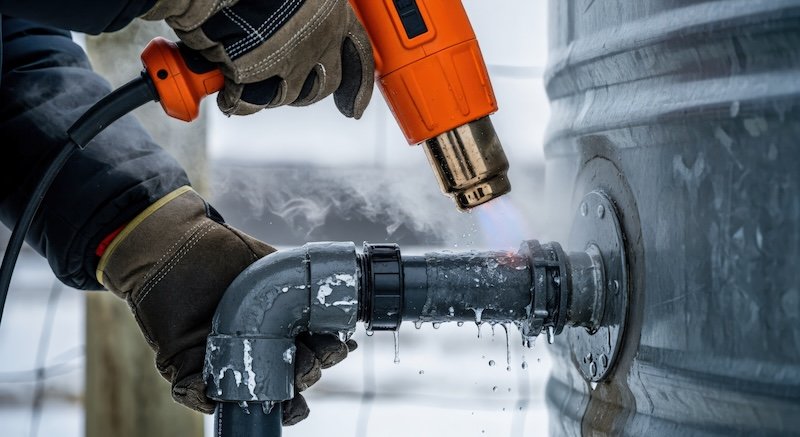
Meridian’s winter weather creates ideal conditions for freeze-thaw stress. Clear nights often bring sharp temperature drops. Sunny afternoons warm exterior walls, crawlspaces, and attics just enough to thaw pipes.
That daily temperature swing repeats for weeks. Pipes near exterior walls, in garages, crawlspaces, and attics experience the most stress. Even insulated pipes remain vulnerable when temperature changes happen repeatedly.
Holiday Season Habits Set the Stage
Holiday routines unintentionally increase late-winter plumbing risks. Homes fill with guests. Hot water usage spikes. Kitchens and bathrooms see constant use. Homeowners run dishwashers, washing machines, and showers more frequently.
That increased usage raises internal water pressure and exposes weak points earlier than normal. Pipes that survive December stress may still suffer internal damage that doesn’t reveal itself until later.
When holiday guests leave and routines slow, small leaks finally become noticeable.
Why Leaks Often Appear Weeks After the Damage Occurs
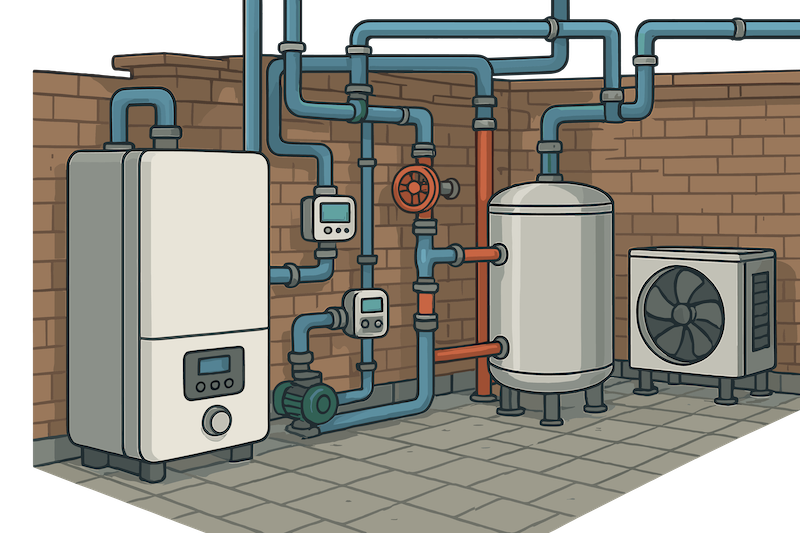
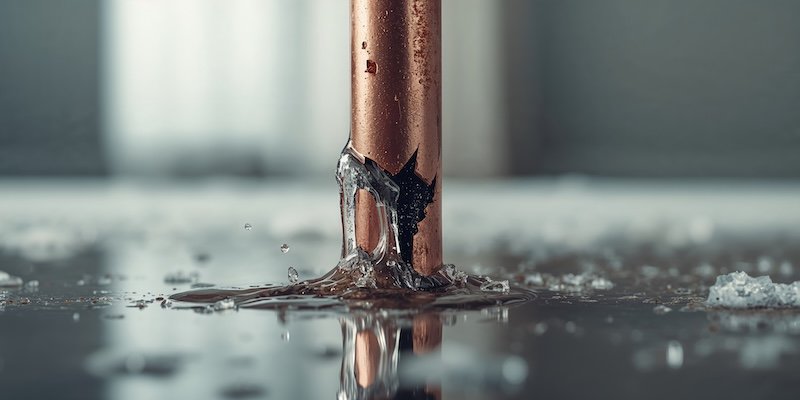
Many homeowners expect a burst pipe to announce itself dramatically. In reality, freeze-thaw damage often causes slow leaks. Water seeps through hairline cracks or compromised fittings and spreads silently behind walls or under floors.
Late winter leaks frequently show up as:
- Water stains on ceilings or drywall
- Musty smells in cabinets or crawlspaces
- Warped flooring
- Unexpected increases in water bills
- By the time these signs appear, the pipe may have been compromised for weeks.
- Pipe Materials React Differently to Freeze-Thaw Cycles
- Not all plumbing materials respond the same way to temperature changes.
Copper pipes expand and contract repeatedly, which stresses soldered joints over time. PEX offers more flexibility but still suffers damage at fittings and connection points. Galvanized steel pipes, common in older homes, become brittle and crack more easily after years of exposure.
Understanding how each material behaves helps plumbers identify likely failure points during inspections.
Why Winterizing Alone Doesn’t Solve This Problem
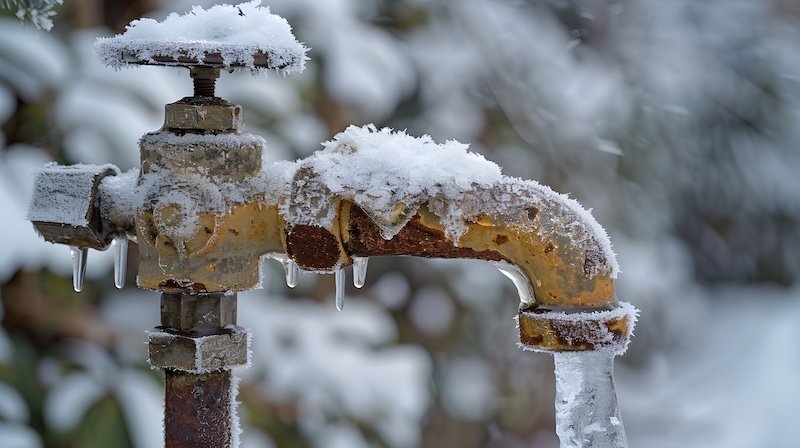
Winterizing focuses on preventing pipes from freezing during extreme cold. That matters, but it doesn’t address cumulative stress caused by fluctuating temperatures.
Homes can remain “winterized” and still experience freeze-thaw damage. Insulation slows temperature changes but doesn’t eliminate them. That’s why leaks still appear in homes that did everything “right.”
Late winter plumbing issues require inspection, not just prevention.
Why Late Winter Brings Emergency Calls
Between January and March, plumbing companies across Idaho see an increase in emergency leak calls. Homeowners often feel caught off guard because the coldest days already passed.
Those emergencies happen because thawing restores water flow through weakened sections. The pipe didn’t fail when frozen—it failed when water pressure returned.
How Small Leaks Turn Into Big Problems
Even slow leaks cause significant damage over time. Moisture seeps into drywall, insulation, and structural materials. Mold growth becomes a concern, especially in enclosed spaces.
Addressing leaks early reduces repair costs and prevents secondary damage that extends beyond plumbing.
What Homeowners Can Watch for in Late Winter
Late winter requires renewed awareness. Homeowners should pay attention to:
- Unexplained water usage increases
- Damp smells near plumbing fixtures
- Discoloration on walls or ceilings
- Reduced water pressure in certain areas
These signs often point to freeze-thaw damage rather than simple wear and tear.
Why Professional Inspection Matters After the Holidays
Once holiday traffic slows, it’s the ideal time to assess plumbing health. Professional plumbers know where freeze-thaw damage typically occurs and how to identify early warning signs.
Inspections allow repairs before small leaks escalate into emergencies. That proactive approach saves money and stress heading into spring.
How Plumbing Solutions of Idaho Helps Homeowners Navigate Late Winter Risks
Plumbing Solutions of Idaho serves Meridian, Boise, and the surrounding Treasure Valley with a deep understanding of local climate patterns. Their experience with Idaho’s freeze-thaw cycles allows them to diagnose problems that many homeowners overlook
Whether addressing a visible leak or investigating subtle warning signs, professional evaluation protects homes during one of the most vulnerable times of the year.
Late winter plumbing problems don’t come from neglect. They come from physics, weather, and time. Understanding that cycle empowers homeowners to act before damage spreads.
Planning Ahead as the Season Changes
As winter transitions toward spring, plumbing systems experience one final round of temperature swings. Addressing issues now prevents lingering damage from carrying into warmer months when water usage increases again.
Holiday memories should linger—not hidden plumbing problems that surface months later.
About Plumbing Solutions of Idaho in Meridian, Idaho
Plumbing Solutions of Idaho is a trusted, full-service plumbing company proudly serving Meridian, Boise, and communities across the Treasure Valley. Whether you need a skilled Boise plumber to fix toilets, clear drains, repair water heaters, or handle full re-pipes, our team is equipped to deliver prompt, professional service. As your go-to source for expert plumbing in Idaho, we offer dependable solutions for both residential and commercial properties. With a commitment to quality work and local integrity, Plumbing Solutions of Idaho is the name to call when you need reliable plumbing in Boise and throughout Southern Idaho.
Serving Boise, Meridian, and the Surrounding Area
Our Service Area
 All Service Areas