Is It Really Just a Clogged Toilet or a Sewer Line Problem?
Plumbing Solutions of Idaho expert tips


How Small Plumbing Problems Can Point to a Bigger Sewer Line Issue
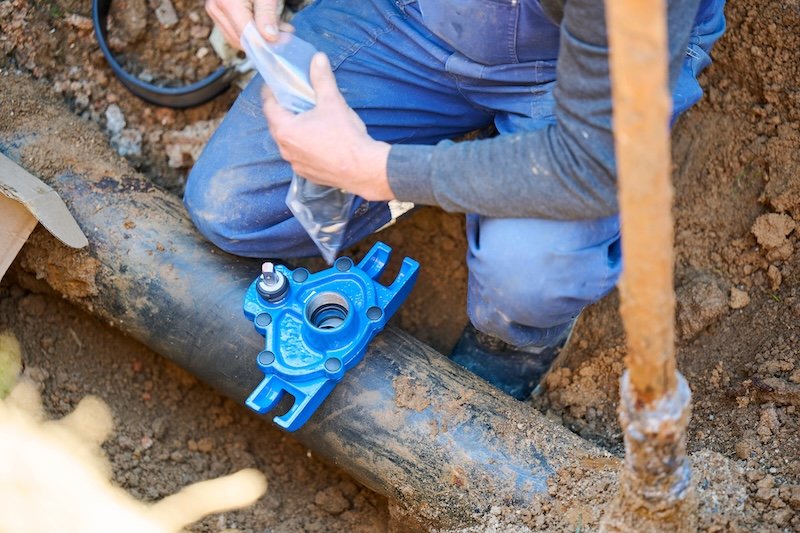
When a toilet won’t flush properly or a kitchen sink begins draining slowly, it’s easy to assume the problem is isolated to that one fixture. After all, clogged toilets and slow drains are common household plumbing issues, and many homeowners reach for a plunger or drain cleaner without giving it much more thought. Sometimes that’s all it takes.
However, there are situations where a single plumbing problem is actually the first sign of something much larger happening beneath your yard. A blockage in your home’s main sewer line can often begin with subtle symptoms before eventually affecting multiple drains throughout the house. Knowing the difference can help you avoid a much messier—and more expensive—plumbing emergency.
When Is a Clogged Drain More Than Just a Clog? When is it a Sewer Line Problem?
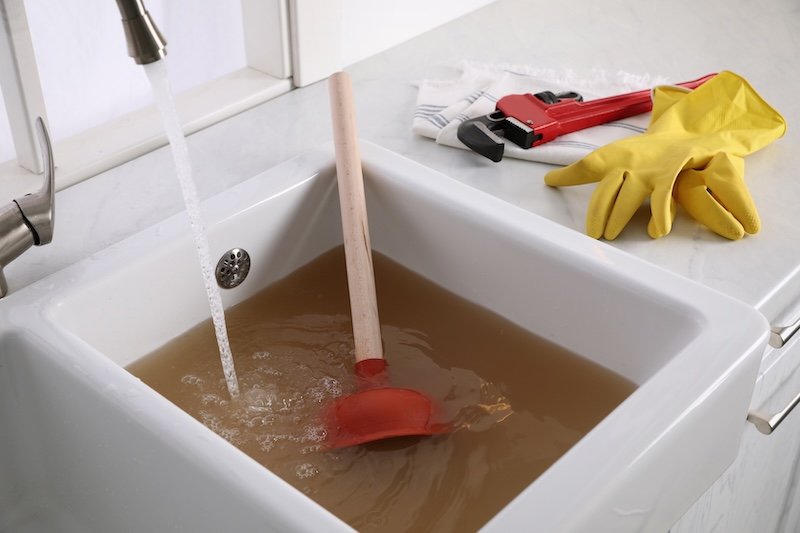
Most isolated clogs occur close to the affected fixture. For example, a bathroom sink may become blocked by hair and soap residue, while a kitchen sink often accumulates grease and food debris over time. In these situations, the problem is usually confined to that individual drain.
A main sewer line works differently. Because every sink, shower, bathtub, toilet, and washing machine eventually drains into the same primary sewer pipe, a blockage in that line can affect several plumbing fixtures at once. That’s why professional plumbers don’t just ask which drain is clogged—they often ask whether anything else in the house is draining slowly as well.
Multiple Slow Drains Can Be an Important Clue to Sewer Line Issues
One slow drain doesn’t necessarily indicate a major plumbing problem. However, if you begin noticing several fixtures draining more slowly over the course of a few days, it’s worth paying attention.
For example, you might notice:
- The kitchen sink empties slowly.
- A bathroom sink begins backing up.
- The shower takes longer to drain.
- Toilets don’t flush as efficiently as they used to.
While these symptoms can occasionally occur independently, they may also suggest that wastewater is having difficulty moving through the home’s primary drain line. Looking at the entire plumbing system rather than a single fixture often provides valuable clues.
Why Does the Toilet Back Up First? Is it a Sewer Line Clog?
Many homeowners are surprised when the toilet becomes the first noticeable problem.
That’s because toilets typically connect directly to larger drainpipes and require significant water flow with every flush. If wastewater encounters resistance farther down the line, the toilet may have difficulty clearing properly.
Sometimes the water level rises unusually high before slowly draining back down. Other times, flushing one toilet may seem to affect another fixture somewhere else in the house. These unusual plumbing behaviors often deserve further evaluation.
Gurgling Sounds May Mean Air Is Trapped
Strange noises can also provide important information. If you hear gurgling coming from a sink, bathtub, or shower after flushing a toilet, trapped air may be moving through the drainage system. Although several conditions can create gurgling sounds, they sometimes occur when wastewater struggles to move through a partially obstructed sewer line.

Rather than flowing freely, air pockets become compressed and escape through nearby plumbing fixtures.
Water Appears Where It Shouldn’t
One of the more concerning signs occurs when using one plumbing fixture causes water to appear somewhere completely different.
For example:
- Running the washing machine causes water to back up into a nearby floor drain.
- Flushing a toilet makes water rise in a shower.
- A bathtub begins filling with dirty water after another fixture is used.
Because all of these fixtures share the same drainage system, backups can sometimes appear at the lowest available opening when the main sewer line becomes restricted. This generally indicates a situation that deserves prompt professional attention.
What Causes Main Sewer Line Problems?
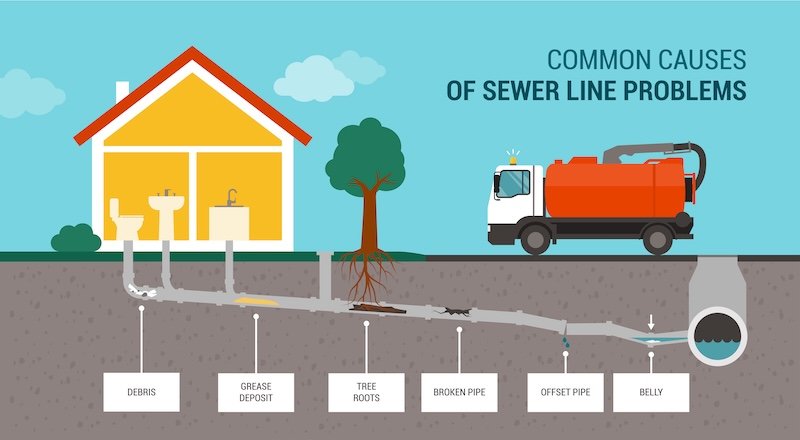
Every home is different, but several issues commonly contribute to sewer line restrictions.
These may include:
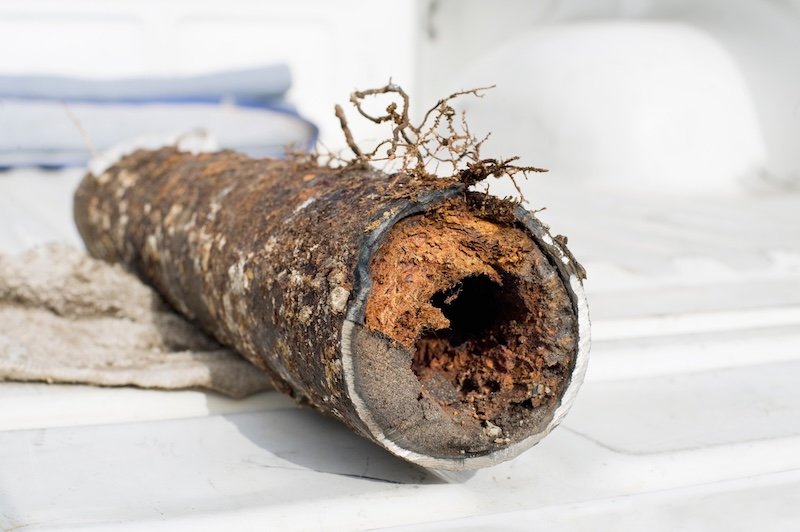
- Tree root intrusion
- Grease accumulation
- Flushed hygiene products
- Excessive toilet paper
- Pipe damage
- Settling soil
- Aging sewer pipes
- Foreign objects accidentally flushed
In some older neighborhoods, decades of normal use may gradually reduce the pipe’s ability to carry wastewater efficiently. Fortunately, today’s camera inspection technology often allows plumbers to identify the source of the problem without unnecessary excavation.
Why a Camera Inspection Can Save Time and Money
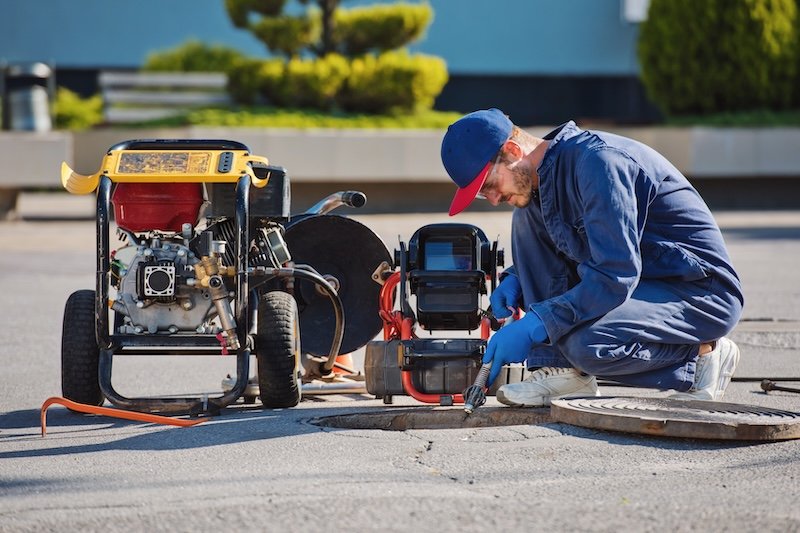
Years ago, diagnosing a sewer problem often involved a significant amount of guesswork. Today, sewer camera inspections allow plumbers to see inside the drain line in real time. Rather than assuming what’s causing the blockage, a camera may reveal whether the issue involves tree roots, pipe damage, grease buildup, or another obstruction entirely.
This information helps determine the most appropriate solution while avoiding repairs that may not address the actual problem.
Don’t Ignore Early Warning Signs
One of the biggest mistakes homeowners make is assuming the problem will simply go away. Sometimes an isolated clog clears on its own or responds to basic drain cleaning. Other times, however, recurring slow drains, repeated toilet backups, or multiple plumbing symptoms indicate a larger issue that gradually worsens over time.
Addressing those warning signs early may help prevent sewage backups, water damage, and more extensive plumbing repairs later. If you are seeing several symptoms rather than just one, it’s often worth having the system evaluated before a complete blockage develops.
Frequently Asked Questions
Can one clogged toilet mean my sewer line is blocked?
Sometimes. A single clogged toilet is often an isolated issue, but if other drains are also slowing down or backing up, the main sewer line may deserve further inspection.
Why are several drains backing up at once?
Because they all connect to the home’s main drain line. A restriction in that pipe can affect multiple plumbing fixtures throughout the house.
Are chemical drain cleaners a good solution?
Chemical drain cleaners may provide temporary relief for certain minor clogs, but they generally won’t resolve problems involving the main sewer line. In some situations, repeated chemical use may even damage certain plumbing materials.
How do plumbers check for sewer line problems?
Many plumbers use specialized sewer cameras to inspect the inside of the drain line. This often helps identify blockages, tree roots, pipe damage, or other issues without unnecessary digging.
When should I call a plumber?
If multiple fixtures are draining slowly, toilets repeatedly back up, or you notice unusual gurgling or wastewater appearing in other drains, it’s generally a good idea to have the system professionally evaluated.
Small Symptoms Sometimes Point to Bigger Problems
Most clogged sinks and toilets aren’t plumbing emergencies. However, when several fixtures begin acting differently at the same time, your plumbing system may be trying to tell you something more significant.
Paying attention to those early warning signs—and having them evaluated before they become major backups—can often save time, frustration, and unnecessary expense. Whether the issue turns out to be a simple clog or something deeper within the sewer line, an accurate diagnosis is always the first step toward the right repair.
About Plumbing Solutions of Idaho in Meridian, Idaho
Plumbing Solutions of Idaho proudly serves homeowners and businesses throughout Meridian, Boise, Eagle, Kuna, Star, Nampa, Caldwell, and the surrounding Treasure Valley with honest, professional plumbing services. From clogged drains and sewer camera inspections to water heater replacement, leak detection, water softeners, repiping, and emergency plumbing repairs, our experienced team is committed to diagnosing problems accurately and providing solutions that last. We were honored to be named Idaho’s Best Plumber for 2025, and we’re proud to help our neighbors protect their homes with dependable plumbing services and exceptional customer care.
For the only plumber you need to know, call Plumbing Solutions of Idaho.
Serving Boise, Meridian, and the Surrounding Area
Our Service Area
 All Service Areas