Why Does My Sewer Line Keep Clogging After It’s Been Cleaned?
You paid to have your sewer line cleaned, and everything seemed to work again. However, a few weeks or months later, the same problem returned. Now you’re dealing with slow drains, gurgling toilets, or wastewater backing up into your home. If your sewer line keeps clogging, there’d a good chance the original cleaning didn’t address the underlying cause.s
Recurring sewer blockages are more than an inconvenience. They may indicate a problem inside your sewer pipe that requires professional attention. Fortunately, identifying the cause can help you avoid repeated service calls and unexpected plumbing emergencies.
Why Causes Sewer Line Clogs?
A professional sewer cleaning can remove many common obstructions and restore proper drainage. However, cleaning alone may not correct problems involving damaged pipes, tree roots, or structural defects. For example, a plumber may clear a blockage and restore water flow. Yet, if the pipe has a damaged section that collects debris, another clog could develop. As a result, the same symptoms may return even though the original obstruction was successfully removed.
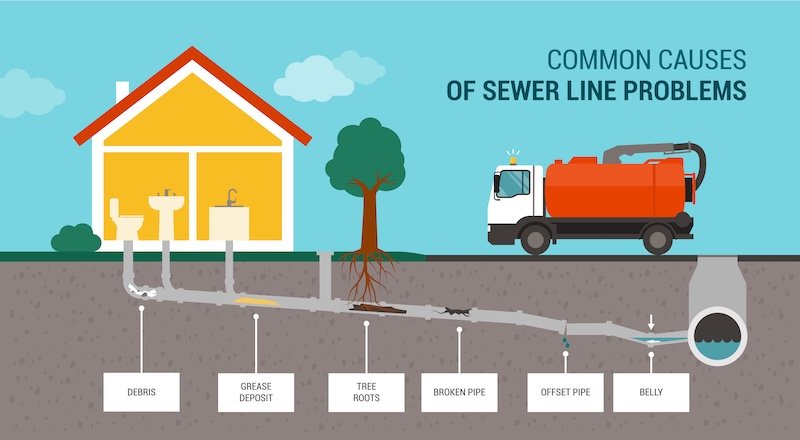
Several conditions can cause recurring sewer line clogs:
1. Tree Roots Growing Inside Sewer Pipes Tree roots naturally seek moisture and nutrients. Unfortunately, sewer pipes can provide both, especially when small cracks or leaking joints allow moisture to escape.
Once roots enter a pipe, they can continue growing and trap toilet paper, waste, and other debris. Although professional cleaning may remove the immediate obstruction, roots can eventually return if the entry point remains.
Common signs of root intrusion include:
Repeated sewer backups
Slow drainage throughout the home
Gurgling sounds from toilets or drains
Blockages that return after cleaning
Problems involving older underground sewer pipes
A sewer camera inspection can help determine whether roots are contributing to the problem. Depending on the pipe’s condition, the plumber may recommend additional cleaning, targeted repair, or replacement.
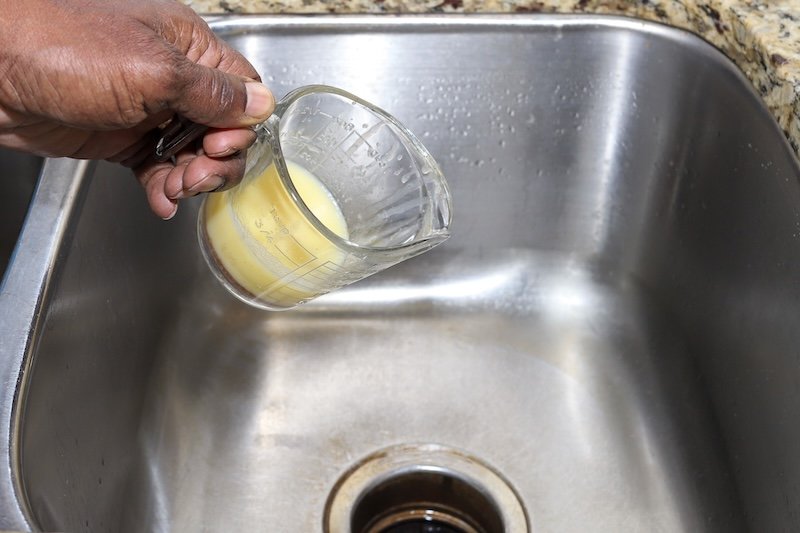
2.Grease and Debris Building Up Inside the Sewer Line Kitchen grease is another common contributor to drain and sewer blockages. Although grease may enter the drain as a liquid, it can cool and cling to pipe walls.
Over time, grease can combine with food particles, soap residue, and other debris. This accumulation gradually restricts water flow and creates conditions for recurring clogs.
In some situations, conventional drain cleaning opens a passage through the buildup without removing all the material along the pipe walls. Consequently, the remaining deposits can contribute to another blockage.
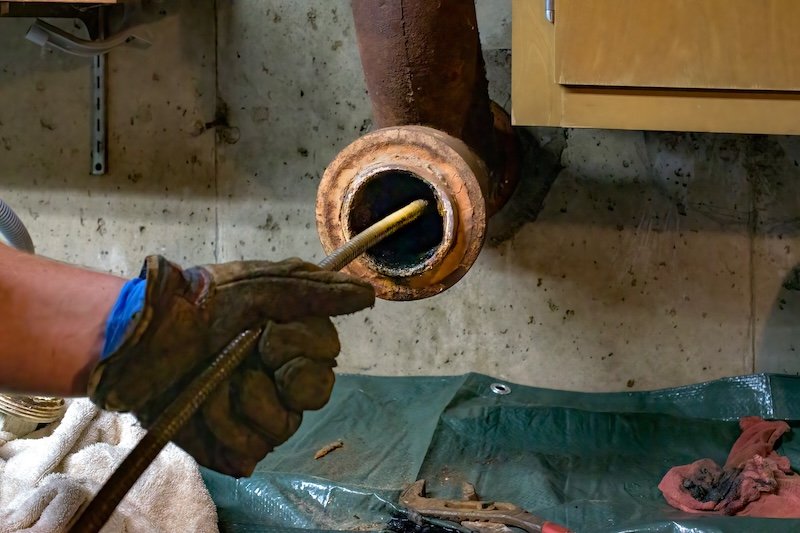
Professional hydro-jetting may be an effective solution when the pipe’s condition allows it. This method uses high-pressure water to remove accumulated debris and clean the interior pipe walls. However, hydro-jetting isn’t appropriate for every sewer line. A professional evaluation helps determine the safest and most effective cleaning method.
3. A Belly or Low Spot in the Sewer Pipe Your home’s sewer line relies on gravity to move wastewater toward the municipal sewer system or septic tank. Therefore, the pipe needs an appropriate slope to maintain consistent flow.
A sewer belly develops when part of the pipe sags and creates a low spot. Wastewater may collect in that section instead of flowing freely. As water slows, solids can settle and gradually form another blockage. Even after cleaning restores drainage, the low spot remains.
Signs of a possible sewer belly include:
Recurring blockages in the same line
Slow drainage affecting multiple fixtures
Standing water visible during a camera inspection
Sewer problems that return despite repeated cleaning
Because cleaning cannot correct the pipe’s slope, a persistent belly may require sewer line repair or replacement. A professional inspection can help determine whether the condition is significant enough to warrant corrective work.
4. Cracked, Broken, or Deteriorating Sewer Pipes Underground sewer lines can develop damage over time. Soil movement, aging materials, corrosion, and other conditions may affect their structural integrity.For example, a cracked pipe may allow soil or roots to enter the sewer line. Meanwhile, a broken or offset joint can catch debris as wastewater passes through.
These conditions may create recurring blockages even when the pipe appears to drain normally immediately after cleaning.
Depending on the damage, homeowners may need:
A targeted sewer pipe repair
Replacement of a damaged pipe section
Additional cleaning to remove accumulated debris
More extensive sewer line replacement
The appropriate solution depends on the pipe material, location, accessibility, and overall condition.
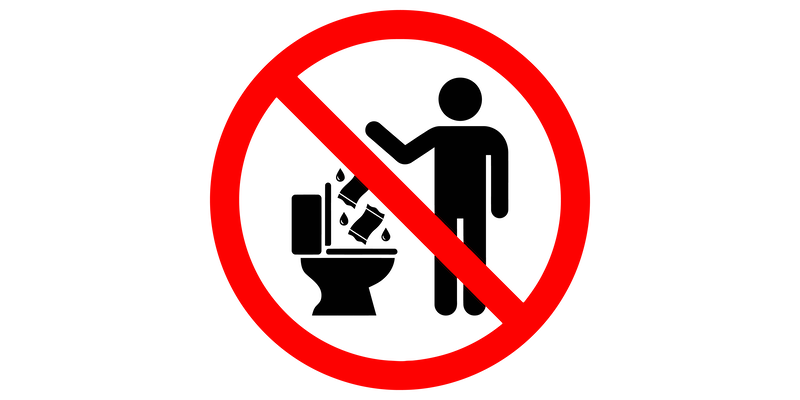
5. Flushing Items That Don’t Break Down Properly Not every recurring sewer blockage involves damaged plumbing. Sometimes, everyday habits contribute to the problem.Products labeled “flushable” may not break apart quickly enough to move through the sewer system without creating obstructions. In addition, paper towels, hygiene products, and other household materials can collect inside pipes.Even a relatively small obstruction may catch additional debris and eventually restrict wastewater flow.
To reduce the risk of preventable sewer blockages, avoid flushing:
Disposable wipes, including those labeled flushable
Paper towels and facial tissues
Feminine hygiene products
Cotton swabs and cotton balls
Dental floss
Hair
Gum
Other household trash
Only human waste and toilet paper should enter the toilet. However, if blockages continue despite proper disposal habits, the sewer line may have another underlying issue.
How Can a Plumber Find the Cause of Recurring Sewer Line Clogs?
When your sewer line keeps clogging, another cleaning may provide temporary relief. However, identifying why the blockage returns can lead to a more effective long-term solution. A professional sewer camera inspection allows a plumber to examine accessible portions of the pipe’s interior. Depending on visibility and conditions, the camera may reveal roots, standing water, damaged joints, or other obstructions.
The inspection can also help locate the problem and determine whether additional cleaning or repair makes sense. For example, heavy grease buildup may respond well to hydro-jetting. In contrast, a broken pipe section may require a targeted repair.
Rather than repeatedly treating the same symptoms, a professional diagnosis helps identify the next appropriate step.
When Should You Call a Plumber for a Recurring Sewer Clogs?
A single slow drain may involve a localized clog. However, repeated problems involving several plumbing fixtures can indicate a larger sewer line issue.Pay particular attention when:
Multiple drains become slow at the same time
A toilet gurgles when another fixture drains
Wastewater backs up into a shower or bathtub
Sewer odors accompany drainage problems
A recently cleaned sewer line becomes blocked again
If sewage is backing up into your home, stop using the affected plumbing fixtures and contact a professional promptly. Continued water use may worsen the backup and increase the risk of property damage.
Stop Repeating the Same Sewer Cleaning Problem
Recurring sewer blockages can become expensive and frustrating, especially when each cleaning provides only temporary relief. However, you don’t have to keep guessing about the cause.
Plumbing Solutions of Idaho helps homeowners throughout Meridian, Boise, and the surrounding Treasure Valley diagnose sewer and drain problems. Our services include professional drain cleaning, hydro-jetting, sewer camera inspections, sewer line repair, and sewer replacement.
Whether you’re dealing with a stubborn blockage or a sewer line that repeatedly backs up, our team can evaluate the problem and recommend an appropriate solution.
About Plumbing Solutions of Idaho in Meridian, Idaho
Plumbing Solutions of Idaho is your trusted local plumber in Meridian, Idaho, offering expert plumbing services to the Treasure Valley. Whether you need help fixing toilets, repairing leaks, or handling complex plumbing issues, our team of experienced plumbers is here to provide fast, reliable, and affordable solutions. We specialize in residential and commercial plumbing services, ensuring that your plumbing systems are functioning at their best. As a top choice for plumbing services in Boise and the surrounding areas, Plumbing Solutions of Idaho is committed to delivering exceptional service with a focus on customer satisfaction. Contact us today for all your plumbing needs in Meridian, Boise, and beyond. For the only plumber you need to know, call Plumbing Solutions of Idaho.
Ready for fast, reliable & affordable service?
Contact Plumbing Solutions of Idaho for all your plumbing needs in the Boise, ID area!




 All Service Areas