Which Type of Water Heater is Right for My Family?
Plumbing Solutions of Idaho expert tips


Tank vs. Tankless Water Heaters

Homeowners across Meridian, Boise, and the Treasure Valley often ask whether they should install a traditional water heater or switch to a tankless system. However, that conversation sometimes focuses too heavily on the equipment itself instead of how the household actually uses hot water every day.
The better question usually sounds more like this:
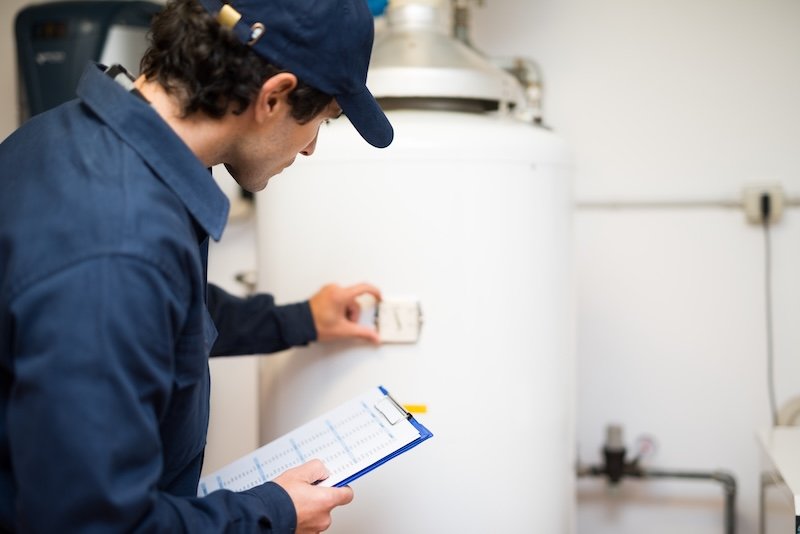
“How does my family live, and which system fits that lifestyle best?”
That approach changes the entire conversation.
At Plumbing Solutions of Idaho, we help homeowners evaluate more than just energy efficiency numbers or upfront pricing. We look at household size, simultaneous hot water demand, home layout, plumbing infrastructure, long-term ownership goals, and even Idaho’s seasonal water conditions before recommending a solution.
Although we have covered basic tank versus tankless comparisons in previous blogs, many homeowners still misunderstand how those systems perform in real-world situations.
Why Some Families Love Traditional Water Heaters
Traditional tank water heaters remain extremely popular for a reason. They work reliably, cost less upfront, and handle many household situations very effectively.
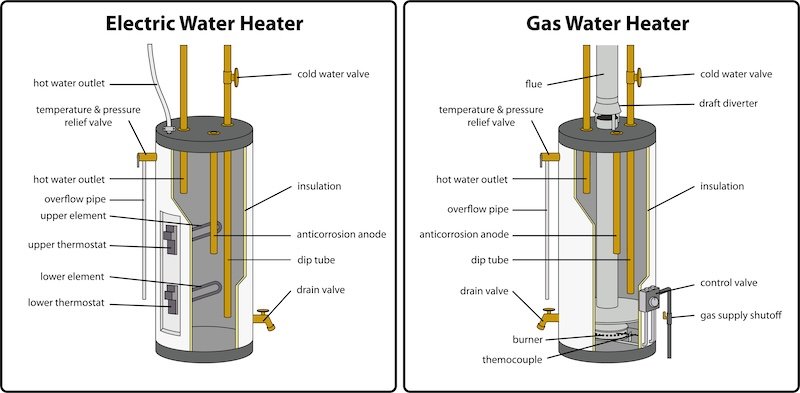
Instead of heating water on demand, traditional systems continuously maintain a stored supply of hot water inside an insulated tank. When someone turns on a faucet or starts a shower, the system immediately pulls from that stored reserve.
That setup works particularly well for:
- Smaller households
- Homes with moderate water use
- Budget-conscious homeowners
- Families replacing an older existing tank system
- Homes without upgraded gas or electrical infrastructure
Additionally, many homeowners appreciate the lower installation cost associated with replacing a standard tank water heater. In many cases, we can remove the old unit and install a new one with relatively minimal system modifications.
Meanwhile, Tankless Systems Solve Different Problems
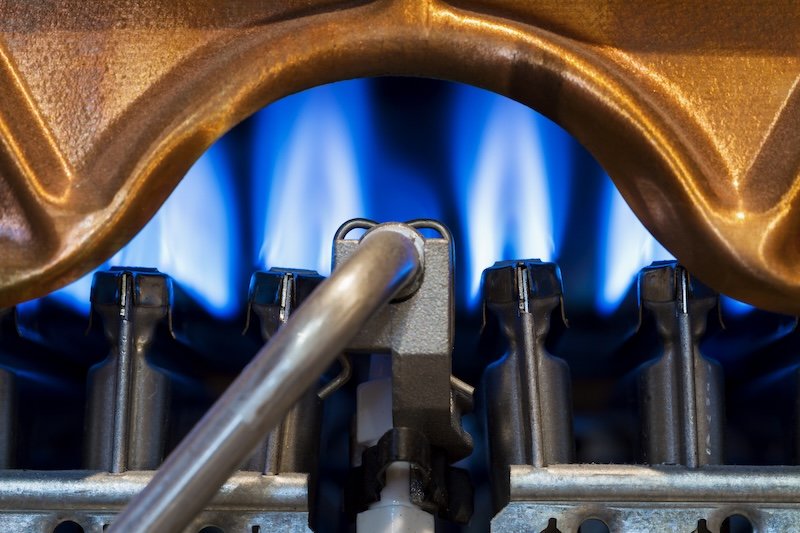
Tankless water heaters operate very differently. Instead of storing hot water, they heat water only when needed. As water flows through the unit, powerful burners or heating elements warm it rapidly before it reaches faucets and appliances.
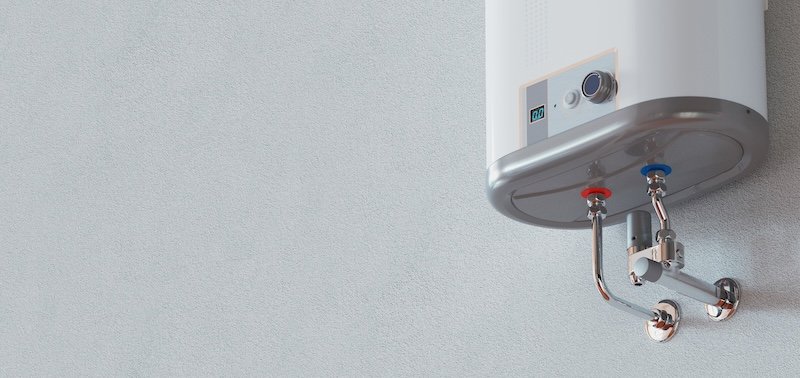
That design eliminates standby heat loss, which occurs when traditional tanks repeatedly reheat stored water throughout the day. According to the U.S. Department of Energy, tankless systems often improve energy efficiency because they only heat water when demand exists.
However, efficiency alone rarely explains why homeowners switch to tankless systems. Instead, many families choose tankless because they grew tired of running out of hot water.
The Real Lifestyle Difference Often Appears During Busy Mornings
The biggest difference between these systems often shows up during high-demand periods.
For example, imagine a busy Meridian household during a weekday morning:
- One person showers
- Another starts laundry
- The dishwasher runs
- Someone washes dishes
- A teenager immediately follows with another shower
Traditional tank systems store a limited amount of hot water. Once that supply depletes, the household must wait for the tank to recover and reheat additional water. Tankless systems, on the other hand, continue heating water on demand without relying on stored reserves. That continuous supply becomes extremely attractive for larger households or homes with heavy simultaneous water use.
Still, homeowners should understand that “unlimited hot water” does not automatically mean “unlimited hot water volume.”
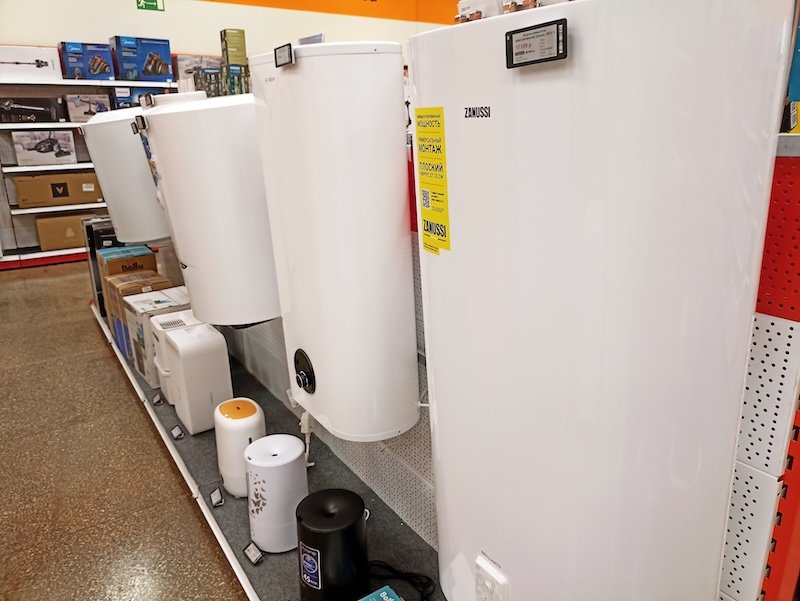
Flow rate matters tremendously.
Bigger Homes Sometimes Need Bigger Planning
One misconception surrounding tankless systems involves whole-home performance. A small tankless unit may work beautifully in a modest home with one or two bathrooms. However, larger households sometimes require multiple units or carefully sized systems to handle simultaneous demand effectively.
For example, running several showers, appliances, and faucets simultaneously may exceed the flow capacity of an undersized tankless unit. That reality explains why professional sizing matters so much.
At Plumbing Solutions of Idaho, we evaluate:
- Number of bathrooms
- Fixture demand
- Appliance usage
- Groundwater temperatures
- Family size
- Peak usage times
- Existing gas or electrical capacity
Without proper sizing, homeowners may feel disappointed even after investing in a premium system.
Idaho’s Hard Water Creates Another Important Conversation
Treasure Valley water conditions also affect long-term performance. Hard water contains minerals that gradually accumulate inside plumbing systems and water heaters. Over time, sediment buildup can reduce efficiency, shorten lifespan, and create operational problems.
Traditional tank systems collect sediment at the bottom of the tank. Meanwhile, tankless systems may experience mineral buildup inside narrow heat exchanger passages. Because of that, maintenance matters regardless of which system homeowners choose.
Tankless systems often require regular descaling, especially in areas with harder water. That maintenance requirement surprises some homeowners who assume tankless automatically means “maintenance-free.”
Long-Term Ownership Changes the Financial Equation
Upfront pricing represents only part of the overall investment. Traditional systems usually cost less initially. Installation often remains simpler, particularly when replacing an existing tank unit. However, traditional water heaters typically last around 8–12 years depending on maintenance and water conditions.
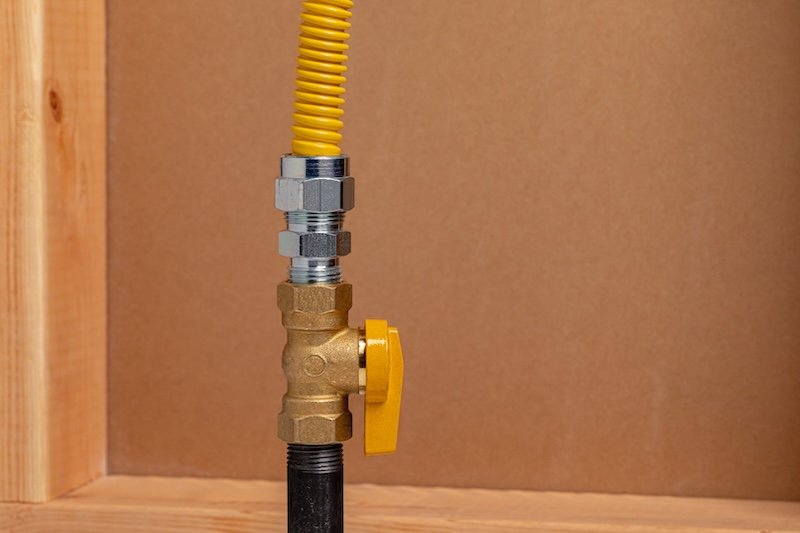
Tankless systems generally cost more upfront because installation may require:
- Gas line upgrades
- Electrical modifications
- New venting
- Plumbing adjustments
However, many tankless systems last 20 years or more with proper maintenance. For homeowners planning to remain in their home long term, that longer lifespan may offset higher installation costs over time.
Space Savings Matter More Than People Expect
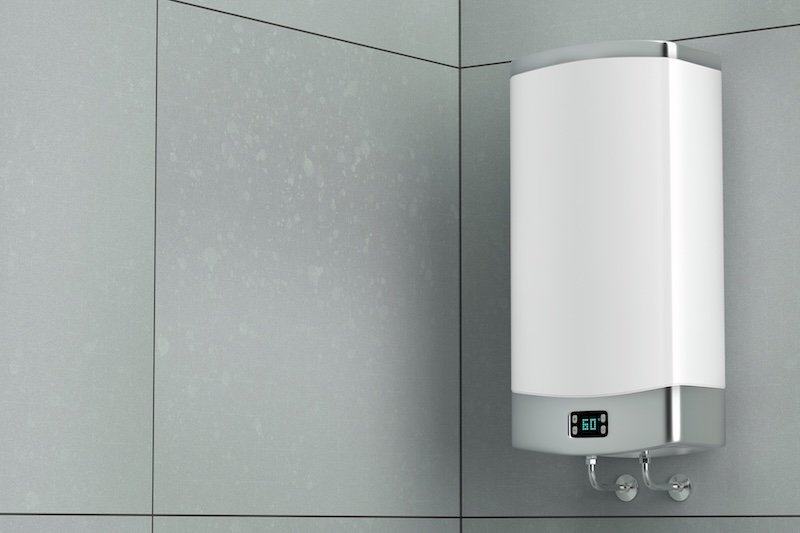
Another benefit homeowners often overlook involves physical space. Traditional water heaters occupy a significant footprint inside garages, utility rooms, closets, or basements. Tankless units mount directly to walls and take up far less room.
That extra space becomes especially valuable in:
- Smaller homes
- Townhomes
- Garage workshops
- Utility closets
- Remodel projects
- Accessory dwelling units
Many homeowners initially focus on energy savings but later realize the reclaimed storage space became one of their favorite upgrades.
Neither System Fits Every Home Perfectly
Internet discussions often frame tankless water heaters as universally superior. Realistically, both systems offer advantages depending on the home and the family using it.
A properly maintained traditional water heater may serve one household perfectly for years. Meanwhile, another family may absolutely benefit from the endless hot water and efficiency advantages of a professionally sized tankless system.
The best decision usually comes from evaluating the entire plumbing system and understanding how the household actually uses hot water day to day. That personalized approach helps homeowners avoid overspending, under-sizing, or choosing systems that fail to match their real-world needs.
Professional Installation Matters Either Way
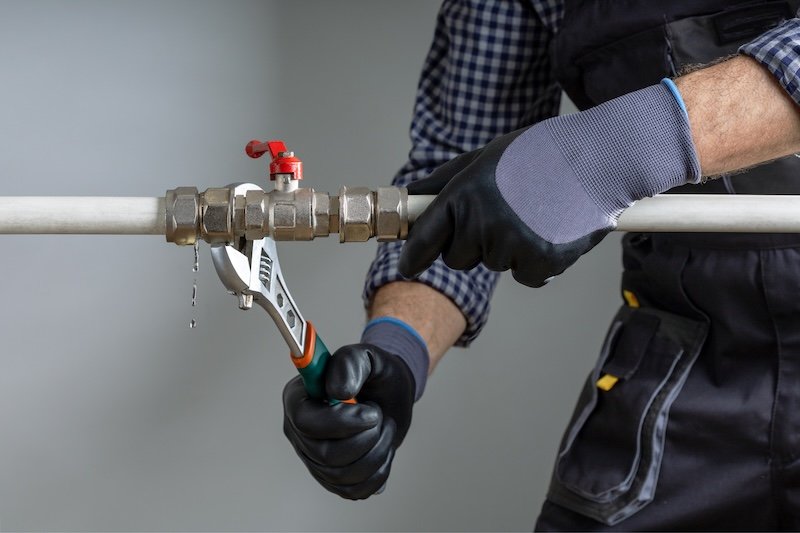
Regardless of system type, installation quality directly affects performance, efficiency, safety, and longevity. Improper venting, incorrect sizing, poor pressure balancing, or inadequate gas supply can create major operational problems later.We evaluate the entire system rather than simply swapping equipment. This attention to detail helps homeowners maximize both comfort and long-term reliability.
About Plumbing Solutions of Idaho in Meridian, Idaho
Plumbing Solutions of Idaho is a trusted, full-service plumbing company proudly serving Meridian, Boise, and communities across the Treasure Valley. Whether you need a skilled Boise plumber to fix toilets, clear drains, repair water heaters, or handle full repipes, our team is equipped to deliver prompt, professional service. As your go-to source for expert plumbing in Idaho, we offer dependable solutions for both residential and commercial properties. With a commitment to quality work and local integrity, Plumbing Solutions of Idaho is the name to call when you need reliable plumbing in Boise and throughout Southern Idaho. For the only plumber you need to know, call Plumbing Solutions of Idaho.
Serving Boise, Meridian, and the Surrounding Area
Our Service Area
 All Service Areas