Tankless vs. Traditional Water Heaters
Plumbing Solutions of Idaho expert tips


A new year often brings new priorities for homeowners. In Idaho, that frequently includes upgrading aging appliances before they fail at the worst possible time. Water heaters sit near the top of that list. Many homes across the Treasure Valley still rely on traditional tank-style water heaters installed a decade or more ago, while tankless systems continue gaining attention for efficiency and longevity.
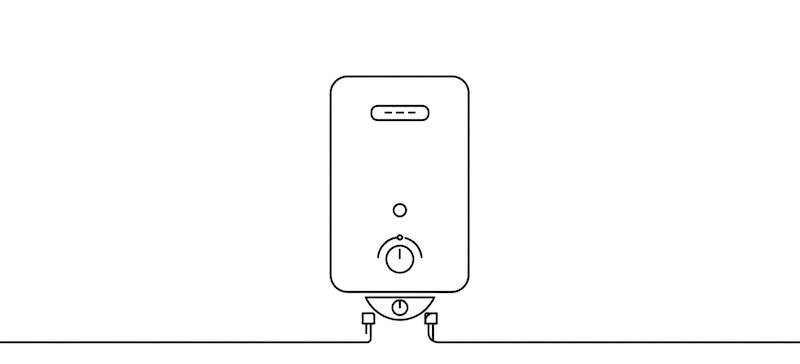
At Plumbing Solutions of Idaho, we help homeowners evaluate both options based on real-world conditions, not marketing promises. In 2026, choosing between a tankless and a traditional water heater requires understanding energy use, lifespan, installation considerations, and Idaho’s hard water challenges.
How Traditional Water Heaters Work
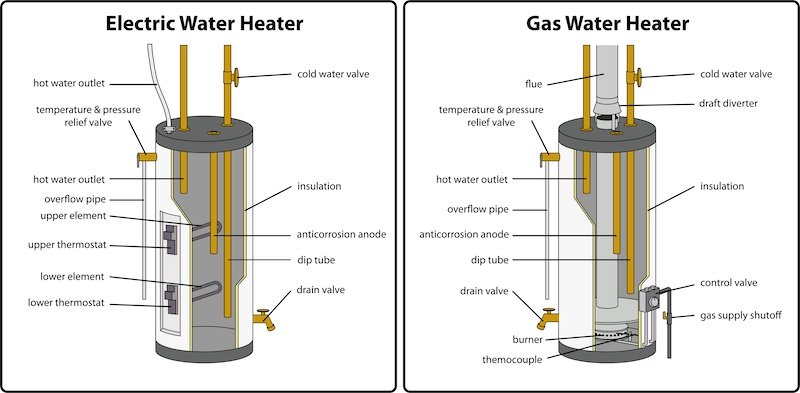
Traditional tank water heaters store a set amount of hot water—typically 40 to 80 gallons—and keep it heated around the clock. When hot water runs out, the system refills and reheats the tank.
Advantages of traditional systems include:
- Lower upfront cost
- Familiar technology
- Simpler installation in many homes
- Straightforward maintenance
However, these systems heat water continuously, even when no one uses it. That standby energy loss adds up over time.
How Tankless Water Heaters Operate
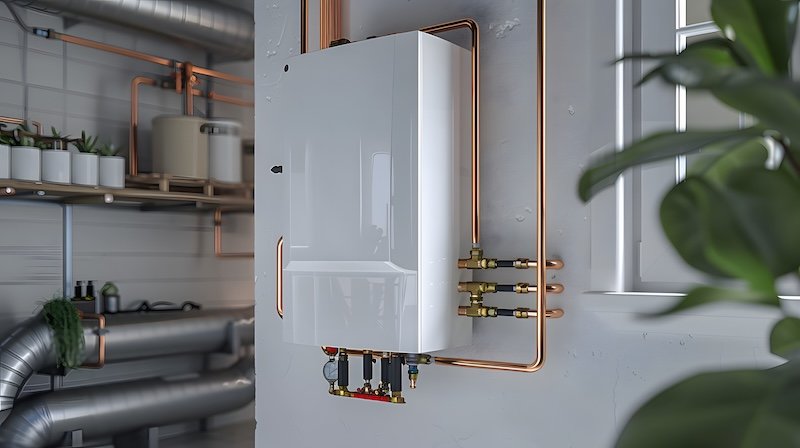
Tankless water heaters heat water on demand. Instead of storing hot water, they activate only when a faucet or appliance calls for hot water.
Benefits often include:
- Improved energy efficiency
- Longer lifespan
- Endless hot water when sized correctly
- Reduced risk of tank leaks
Tankless systems cost more upfront, but they often offset that investment through efficiency and longevity.
Energy Efficiency in Water Heaters: What Idaho Homeowners Actually Experience
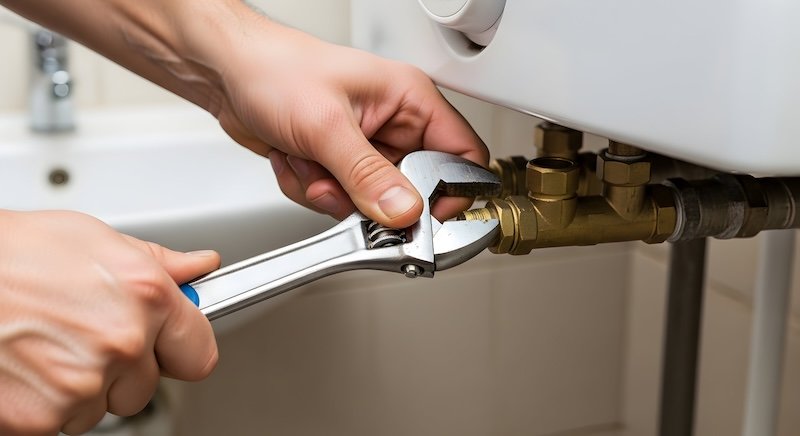
Most people are aware that energy savings drive much of the interest in tankless systems. Because tankless units don’t maintain a reservoir of hot water, they avoid standby heat loss.
In Idaho homes, energy savings depend on:
- Household size
- Hot water usage patterns
- Fuel source (gas vs. electric)
- Proper system sizing
For homes with moderate to high daily hot water use, tankless systems often deliver noticeable energy reductions. Smaller households with minimal usage may see more modest savings.
Longevity: A Major Difference Between Water Heater Systems
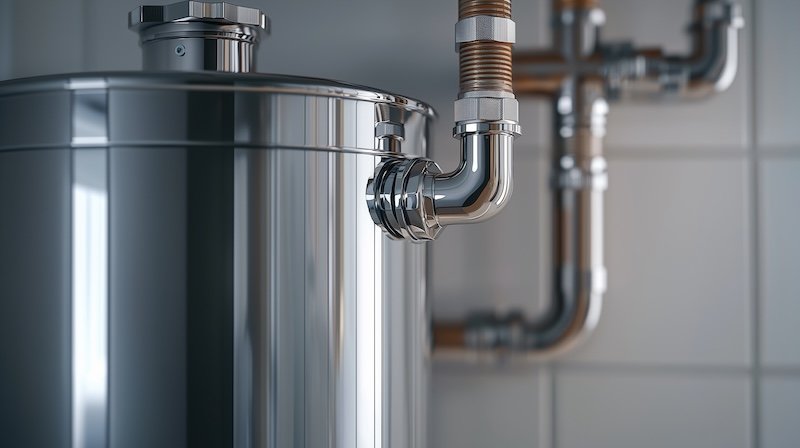
Lifespan separates tankless and traditional systems more than any other factor.
Typical lifespans include:
- Traditional tank water heaters: 8–12 years
- Tankless water heaters: 18–25 years
Tank systems eventually fail due to internal corrosion and sediment buildup. Tankless systems use replaceable components and avoid storing water, which reduces internal stress over time.
For homeowners planning to stay in their home long term, longevity often tips the scale toward tankless options.
Idaho’s Hard Water Changes the Equation
Hard water plays a major role in water heater performance across the Treasure Valley. Minerals like calcium and magnesium accumulate inside both systems, but they affect each differently.
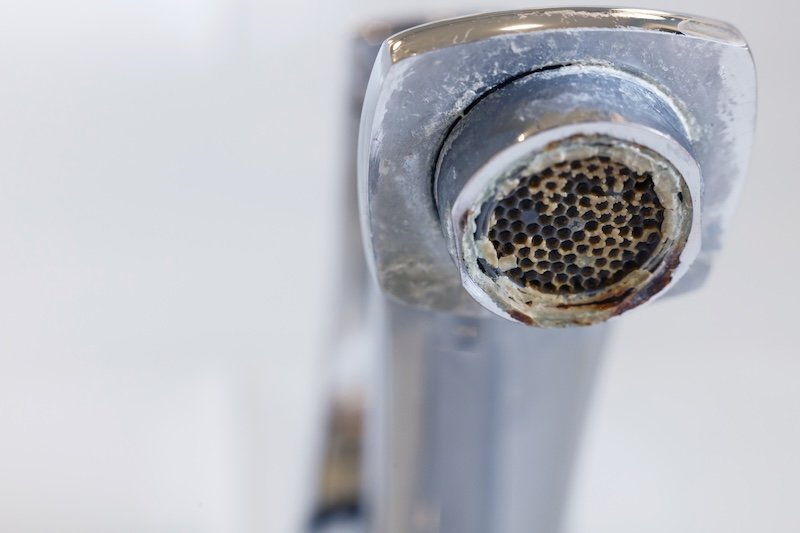
In traditional tanks:
- Sediment settles at the bottom
- Heating efficiency drops
- Recovery time increases
- Tank lifespan shortens
In tankless systems:
- Mineral scale builds on heat exchangers
- Efficiency declines without maintenance
- Flow rates can suffer
Neither system escapes hard water effects. The difference lies in maintenance approach.
Maintenance Requirements in Hard Water Areas
Tank water heaters benefit from periodic flushing to remove sediment, though many homeowners skip this step. Over time, sediment hardens and reduces performance.
Tankless systems require:
- Regular descaling
- Annual or semi-annual flushing in hard water areas
- Proper filtration when needed
With proper maintenance, tankless systems handle hard water effectively and maintain efficiency. Ignoring maintenance shortens lifespan regardless of system type.
Water Heater Installation Considerations in Existing Homes
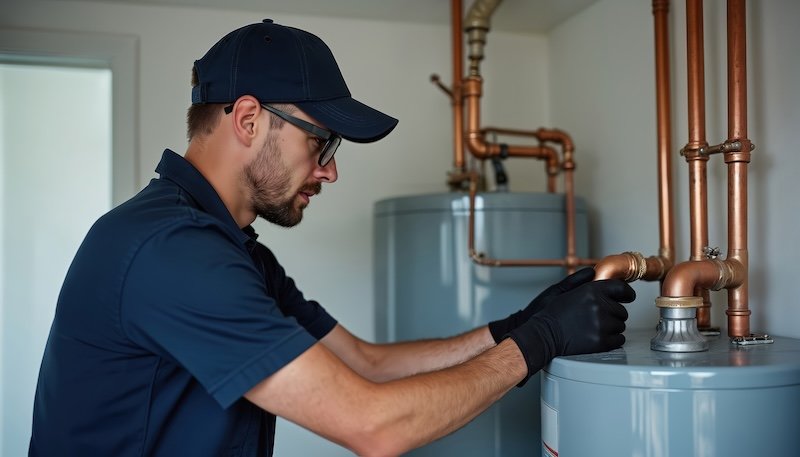
Switching from a tank system to tankless involves more than swapping equipment. Many Idaho homes require:
- Gas line upgrades
- Electrical service adjustments
- Venting modifications
- Wall mounting space
Traditional replacements usually involve fewer changes, which keeps installation costs lower.
That said, many homeowners choose tankless upgrades during remodels or when replacing a failed system to future-proof their home.
Hot Water Demand Matters More Than You Think
Tankless systems must match household demand. Undersized units struggle to keep up with simultaneous showers, laundry, and dishwashing.
Proper sizing considers:
- Number of bathrooms
- Peak usage times
- Appliance demand
- Incoming water temperature
Idaho’s cold groundwater means tankless units work harder in winter. Professional sizing prevents disappointment and ensures consistent performance.
Cost: Short-Term vs. Long-Term Value
Upfront cost differences remain significant:
- Traditional systems cost less to install
- Tankless systems cost more initially
However, long-term value changes the picture:
- Lower energy usage
- Longer lifespan
- Reduced replacement frequency
Many homeowners find tankless systems cost less over the life of the unit despite higher initial investment.
Reliability During Power or Gas Issues
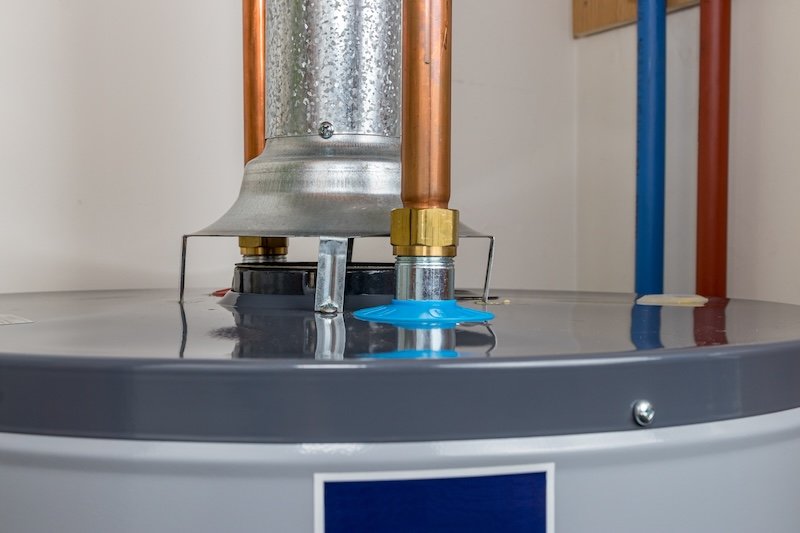
Traditional gas tanks often provide limited hot water during power outages. Electric tankless systems require power to operate, which can limit availability during outages.
Backup power solutions and system type matter for homeowners who prioritize outage resilience.
Which System Makes Sense in 2026? Tankless or Traditional Water Heaters
There’s no universal answer. The best choice depends on household needs, long-term plans, water quality, and budget.
Traditional systems work well for:
- Budget-conscious replacements
- Short-term home ownership
- Simple installations
Tankless systems work best for:
- Long-term homeowners
- Energy-efficiency goals
- High hot water demand
- Homes prepared for upgrades
A professional evaluation ensures the system fits the home—not the other way around.
Start the Year with a Smart Water Heater Upgrade Plan
A new year brings a clean slate and an opportunity to replace aging equipment before it fails. Whether you’re considering tankless or replacing a traditional system, understanding Idaho-specific factors makes all the difference.

Before committing to a new water heater, schedule an evaluation that accounts for hard water, energy use, and future needs. The right choice delivers comfort, efficiency, and reliability for years to come.
About Plumbing Solutions of Idaho in Meridian, Idaho
Plumbing Solutions of Idaho is your trusted local plumber in Meridian, Idaho, offering expert plumbing services to the Treasure Valley. Whether you need help fixing toilets, repairing leaks, or handling complex plumbing issues, our team of experienced plumbers provides fast, reliable, and affordable solutions. We specialize in residential and commercial plumbing services, ensuring plumbing systems perform at their best. As a top choice for plumbing services in Boise and the surrounding areas, Plumbing Solutions of Idaho remains committed to delivering exceptional service with a focus on customer satisfaction. Contact us today for all your plumbing needs in Meridian, Boise, and beyond.
Serving Boise, Meridian, and the Surrounding Area
Our Service Area
 All Service Areas